


Accelerated Master of Public and International Affairs (4+1)
Fast-track your impact through this cost-effective pathway to kicking off your career! The Accelerated Master of Public and International Affairs (MPIA) 4+1 offers high-performing undergraduates a seamless transition from the classroom to a career in global change. This program provides an opportunity for exceptional undergraduate students to start their master's program while completing their undergraduate degree at Virginia Tech.
Students must be admitted to the undergraduate/graduate program prior to the beginning of the semester in which they would enroll in courses that are part of the accelerated program. General information about Accelerated Master’s Degrees can be found on the Graduate School’s website.
The GIA Difference
The MPIA is managed by the Government and International Affairs (GIA) program at the School of Public and International Affairs.
Our students benefit from our presence on two campuses: Blacksburg and Arlington in the Washington, D.C. metro area.


-
Bio Item
 Nataliya D. Brantly , bio
Assistant Professor, Government and International Affairs (GIA) | Deputy Director for Health Technologies, Tech4Humanity Lab | Office: Architecture Annex, Room 215, Blacksburg | Email: nbrantly@vt.edu
-
Bio Item
 Yannis Stivachtis , bio
Professor of Government & International Affairs, GIA | Office: Major Williams, Room 219, Blacksburg | Jean Monnet Chair in EU Strategy. Director, Center for European & Transatlantic Studies (CEUTS) - A Jean Monnet Center of Excellence. University Coordinator, Diplomacy Lab.
-
Bio Item
 Gerard Toal , bio
Professor, Government and International Affairs (GIA) | Office: Arlington, Room 6-020 | Email: toalg@vt.edu |
-
Bio Item
 Aaron F. Brantly , bio
Associate Professor, Department of Political Science | 526 Major Williams Hall (0130), 220 Stanger Street, Blacksburg, VA 24061
-
Bio Item
 Chad Levinson , bio
Assistant Professor, Government and International Affairs (GIA) | Office: Arlington, Room 6-016 | Email: chadlevinson@vt.edu |
-
Bio Item
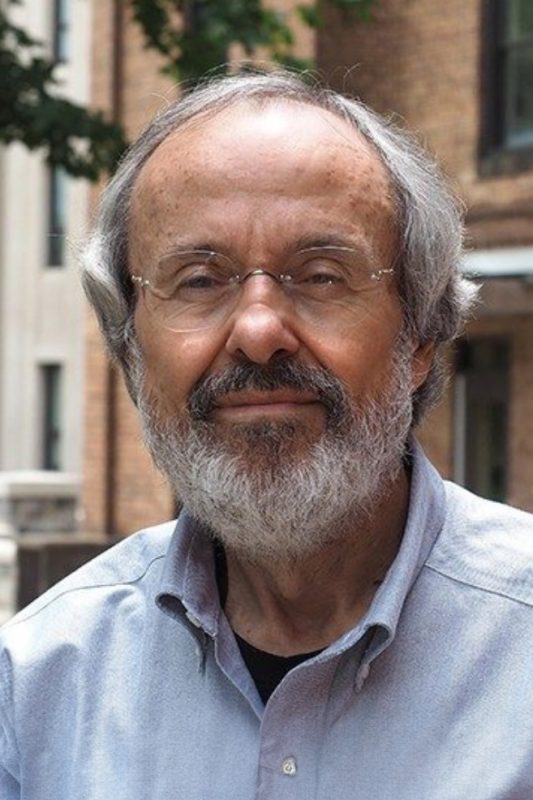 Tim Luke , bio
University Distinguished Professor, Government and International Affairs (GIA) | Office: Blacksburg | Email: twluke@vt.edu | Phone: (540)-231-6633
-
Bio Item
 Giselle Datz , bio
Associate Professor and Chair, Government and International Affairs (GIA) | Office: Arlington, Room 6-010 | Email: gdatz@vt.edu
-
Bio Item
 Joel Peters , bio
Director of the School of Public and International Affairs Professor, Government and International Affairs (GIA)
-
Bio Item
 Ariel Ahram , bio
Professor of Government and International Affairs (GIA) | Office: Arlington, Room 6-022 | Email: ahram@vt.edu
-
Bio Item
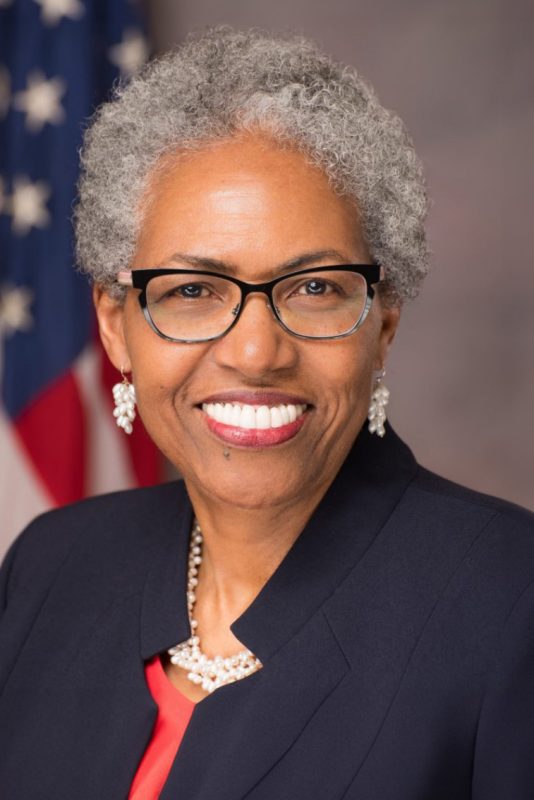 Joyce Barr , bio
Professor of Practice, Government and International Affairs (GIA) | Office: Arlington, Room 5-042 | Email: ambbarr@vt.edu
How it works:
Students can substitute 12 credits of undergraduate electives for 5000 level courses that will count towards the MPIA degree in their last year in the undergraduate program.
Students then enroll in their remaining 24 (graduate) credits in their "+1" year as full-time MPIA students.
- GIA 5004 Power & Policy in the US
- GIA 5274 Social Movements
- GIA 5524 International Development
- GIA 5444 International Politics
- GIA 5034 Global Political Economy
- GIA 5404 Topics in Political Geography
- GIA 5374 Electronic Governance
There are two required Methodology Courses:
- GIA/PSCI 5115 Research Methods
- Major Paper, Practicum or Thesis (GIA 5904 Project and Report or GIA 5964 Fieldwork/Practicum or GIA 5994 Thesis)
Select two other courses from this list (or another committee-approved methods/theory course):
- UAP 5224 Quantitative Techniques
- GIA/PSCI 5354 Public Policy Analysis
- GIA/PSCI 5214 Contemporary Political Theory
- GIA/PSCI 5224 Alternative Political Theory
- GIA/UAP/PAPA 5464 Qualitative Methods in Global Studies
- GIA/UAP/PSCI 5504 Discourse Analysis
Going into effect for Fall 2025, students should select two other courses from this list: UAP 5224 Quantitative Techniques, PAPA/GIA 5354 Public Policy Analysis , PSCI/GIA 5214 Contemporary Political Theory, GIA 5464 Qual. Methods, GIA 5504 Discourse Analysis, GIA/PSCI 5116 Research Methods II.
Select four couress from the GIA Elective Courses list below. Non-GIA courses can also count towards the elective requirement with prior approval. Ask your adviser for suggestions and approval.
- GIA/UAP/PSCI 5254 Global Conflicts
- GIA 5624 Conflict Resolution & Peace Building
- GIA/PSCI 5514 Global Security
- GIA 5614 Israeli-Palestinian Conflict
- GIA/PSCI 5484 Contemporary American Foreign Policy
- GIA/PSCI 5434 Politics of Developing Areas
- GIA/PSCI 5584 Environmental Politics and Policy
- GIA/PSCI 5704 Transatlantic Relations
- GIA/PSCI 5744 European Security
- GIA 6114 Critical Geopolitics
- GIA/PSCI 6134 Topics in Conflict Analysis
- GIA/PSCI 6144 Topics in Global Governance
- GIA/PSCI 6124 Topics in Security Studies: Cybersecurity
- GIA/PSCI 5704 Transatlantic Relations
- GIA/PSCI 5714 European Union
GIA provides several ways to demonstrate your mastery of the coursework and field of study:
- GIA 5904 Project and Report
- GIA 5964 Fieldwork/Practicum
- GIA 5994 Thesis
The Major Paper (Project and Report) and Fieldwork/Practicum are qualitatively equivalent final projects. In both instances, students will put together a committee with one GIA adviser and two other GIA faculty members. An oral defense will be scheduled.
Admission Criteria
- Applicants must have a GPA of 3.5 or greater and have completed more than 75 undergraduate credits upon applying.
- GRE scores are not required.
- Students must work with their undergraduate advisor and the MPIA program chair to ensure courses count appropriately.
- Students must apply and be accepted through the Graduate School admissions process.
How would the Accelerated MPIA work for you?
Here is a suggested course sequence:
Year One: Undergradate + Graduate
- GIA/PSCI 5444 International Politics
- GIA 5422 International Development
- GIA/PSCI 5374 Electronic Governance
- GIA 5004 Power & Policy in the US
- GIA 5034 Global Political Economy
- GIA 5274 Comparative Social Movements
Year Two: MPIA Full-Time
- GIA/PSCI 5115 Research Methods [obligatory]
- GIA/PSCI 6114 Critical Geopolitics*
- GIA/PSCI 5714 European Union*
- GIA/PSCI 6124 Topics in Security Studies: Cybersecurity*
*or an approved GIA elective
- GIA 5464 Qualitative Methods in Global Studies
- GIA/PSCI 5504 Discourse Analysis **
- GIA/PSCI 5514 Global Security*
- GIA 5904 Project and Report [obligatory capstone project]
*or an approved GIA elective
**or an approved GIA methodology course
Government and International Affairs (GIA) Contacts
Elia Amegashie, SPIA Graduate Coordinator and Operations Manager
elia@vt.edu
Chris LaPlante, SPIA Undergraduate Academic Advisor
chrisl@vt.edu
Professor Giselle Datz, Government and International Affairs Program Chair
gdatz@vt.edu